How Does PrimeBiome Work? Inside the Skin-Gut Support Process
A step-by-step look at how one daily gummy supports your microbiome, digestion and skin renewal.
PrimeBiome works in four phases: it introduces a resilient probiotic, feeds beneficial bacteria with prebiotic fiber, calms digestion with traditional herbs and supports skin renewal from within. Together these steps help nurture the gut-skin axis, the two-way link between your digestive system and your complexion.
How Does PrimeBiome Work, in Short?
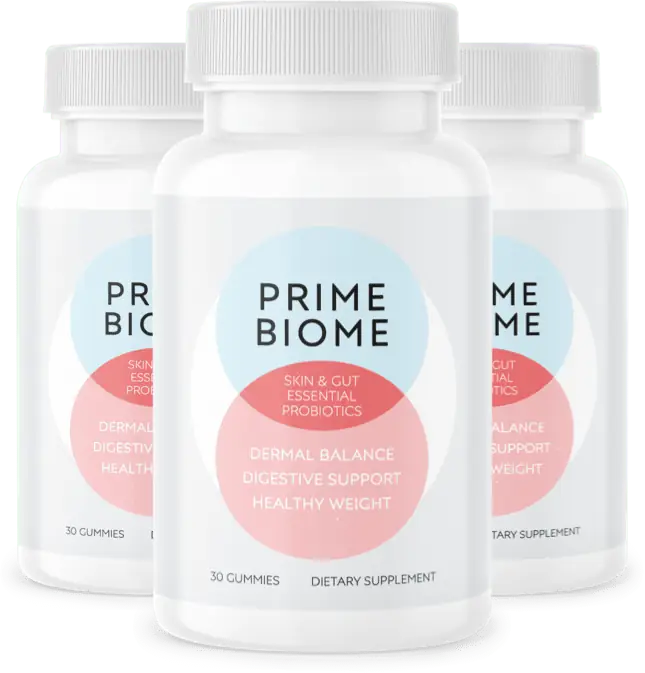
PrimeBiome supports the bacteria in your gut so your body is better positioned to look after your skin, your digestion and your weight goals.
Your intestines host trillions of microorganisms. Collectively they help break down food, produce useful compounds and interact with the immune cells lining your gut. When that population is diverse and well nourished, it supports a calm, efficient digestive system. A calm digestive system, in turn, supports the body's everyday renewal work, including the skin.
PrimeBiome was designed to give that internal ecosystem what it needs from several directions at once. One ingredient adds helpful bacteria. Two ingredients provide fiber those bacteria thrive on. The rest bring traditional botanical support for digestion, skin and the gut-brain link. The sections below walk through each part of the process in plain English.
What Is the Gut-Skin Axis?
The gut-skin axis is the term scientists use for the constant communication between your digestive tract and your skin.
It might seem surprising that your stomach and your face would be connected, but the two have a lot in common. Both are barrier organs. Both are colonized by their own communities of microbes. And both are heavily involved with the immune system, which acts as a messenger between them.
This connection runs through several pathways:
- Nutrient supply. Skin needs vitamins, minerals, fatty acids and amino acids to rebuild itself. A comfortable, efficient gut is better at absorbing those raw materials from your meals.
- Bacterial byproducts. When good bacteria ferment fiber, they produce short-chain fatty acids. These compounds help nourish the cells lining the colon and play a role in the body's normal balance.
- Immune signaling. A large share of the body's immune tissue sits along the digestive tract. What happens there can influence how calm or reactive the rest of the body feels, skin included.
- The barrier itself. A healthy gut lining helps keep things where they belong. Supporting that lining is one way to support whole-body comfort.
Because of these links, many wellness experts now view skin as a mirror of what's happening inside. PrimeBiome is built on that same idea.
What Is Skin Cell Turnover and Why Does It Matter?
Skin cell turnover is the natural cycle in which your skin sheds older surface cells and replaces them with new ones from below.
New cells form in the deepest layer of the epidermis and gradually travel upward. By the time they reach the surface, they have flattened out and eventually flake away, making room for the next wave. In younger adults this cycle is commonly described as taking around four weeks, and it tends to slow down as the years go by.
When renewal runs smoothly, skin generally looks brighter, smoother and more even. When it slows, older cells can linger on the surface, which can leave the complexion looking dull or uneven. Supporting this process is one reason people pay attention to healthy aging, gut health and nutrition all at once.
PrimeBiome doesn't speed up your skin artificially. Instead, it supports the internal conditions that your body relies on to run this cycle well: a balanced microbiome, comfortable digestion and access to protective plant compounds.
The Four-Phase PrimeBiome Process
The easiest way to understand the formula is to think of it as four jobs happening together every time you take a gummy.
Phase 1: Seed the gut with a hardy probiotic
Bacillus coagulans is the "seed." It arrives as a dormant spore, passes through the acidic stomach and becomes active in the intestines. Once there, it helps support a healthy balance among the many bacterial species already living in your gut.
Phase 2: Feed the friendly bacteria
Inulin and fenugreek supply soluble fiber, which acts like fertilizer for beneficial microbes. As those microbes break the fiber down, they produce compounds that help nourish the gut lining. Soluble fiber also adds gentle bulk, which supports regularity and a sense of fullness after meals.
Phase 3: Soothe and settle digestion
Four botanicals focus on comfort. Fennel seed has long been chewed after meals to ease occasional gas. Ceylon ginger is a time-tested stomach settler. Lemon balm is a calming herb from the mint family. Slippery elm bark contains a soft, gel-like fiber traditionally used to coat and soothe. Together they help digestion feel lighter and more predictable.
Phase 4: Nourish skin from within
Babchi seed is a staple of traditional Ayurvedic skin care, and dandelion supplies antioxidant plant compounds that help protect cells from everyday stress. Lion's mane mushroom rounds out this phase by supporting the gut-brain connection, since stress and mood are closely tied to both digestion and skin.
No single phase works in isolation. Seeding without feeding gives bacteria little to work with. Feeding without soothing can leave digestion feeling unsettled. That's why we combined all four into one daily step.
Why Does a Spore-Forming Probiotic Matter?
A spore-forming probiotic matters because more of it is likely to survive the journey to the place where it's needed.
The stomach is designed to be acidic so it can break down food and neutralize unwanted microbes. That's great for digestion, but it's a tough environment for many delicate probiotic strains. Some can also lose potency during shipping and storage if they get warm.
Spore-formers like Bacillus coagulans solve much of this problem naturally. Their protective coat keeps them stable until they reach the more welcoming environment of the intestines. This resilience also makes them a practical choice for a gummy format, which is one reason we chose this strain as the foundation of PrimeBiome.
What Can You Expect Over Time?
Results build gradually, so it helps to think in months rather than days. The timeline below shows a general progression for a gut-focused routine. Your own experience may differ based on diet, lifestyle, age and consistency.
- Weeks 1–2: Settling in. Your gut begins adjusting to new bacteria and added fiber. Some people notice slight changes in digestion as their system adapts.
- Weeks 3–6: Comfort builds. Many people report that meals sit more easily and that bathroom habits feel more regular.
- Months 2–3: Skin catches up. Because skin renews in cycles, this is often when people start noticing a fresher, more even look.
- Months 4–6: Momentum. With continued use, the habit becomes routine and the benefits have time to support one another.
This is why the 3-bottle and 6-bottle packages are the most popular choices. They give the formula enough time to do its work, and both include free US shipping.
Which Daily Habits Help PrimeBiome Work Better?
PrimeBiome supports your gut, but your daily choices shape the environment it works in. These habits give the formula a helping hand:
- Eat a colorful plate. Different plant foods feed different bacteria. Aim for a variety of vegetables, fruits, beans and whole grains each week.
- Drink enough water. Fiber draws in water to do its job, so staying hydrated keeps things moving comfortably.
- Prioritize sleep. Your skin and gut both do important repair work overnight.
- Manage stress. Short walks, deep breathing or a few minutes of quiet can calm the gut-brain conversation.
- Cut back on ultra-processed foods. Heavy sugar and highly refined snacks offer little fuel for beneficial microbes.
- Be consistent. Taking PrimeBiome at the same time every day matters more than any other single factor.
Want to understand each ingredient in more depth? Read our full PrimeBiome ingredients guide, or return to the PrimeBiome home page to see the current packages.
Frequently Asked Questions
How long does PrimeBiome take to work?
Everyone is different. Some people notice changes in digestive comfort within the first few weeks, while skin-related changes usually take longer because skin renews in cycles. Plan on at least 90 days of steady daily use, and ideally 180 days, to fairly judge your results.
Does PrimeBiome work if I already eat yogurt or fermented foods?
Yes, they can work together. Fermented foods supply their own bacteria, while PrimeBiome adds a spore-forming strain, prebiotic fiber and botanicals you may not get from food. A varied diet plus a targeted supplement gives your microbiome more to work with.
Why does the probiotic need to be spore-forming?
Spores have a protective outer coat that helps the bacteria withstand heat, storage and stomach acid. That resilience helps more of the probiotic reach the intestines, which is where it does its work.
Can I take PrimeBiome at night?
Yes. PrimeBiome contains no stimulants, so you can take it in the morning or the evening. Choose whatever time you'll remember every day and follow the label directions.
Put the Four-Phase Process to Work for You
Give your gut and skin the steady support they need. Choose the 6-bottle package for a full 180-day routine at $49 per bottle with free US shipping.
 Claim Your Discount Now
🔒 Secure checkout · 60-day money-back guarantee